Featured Article
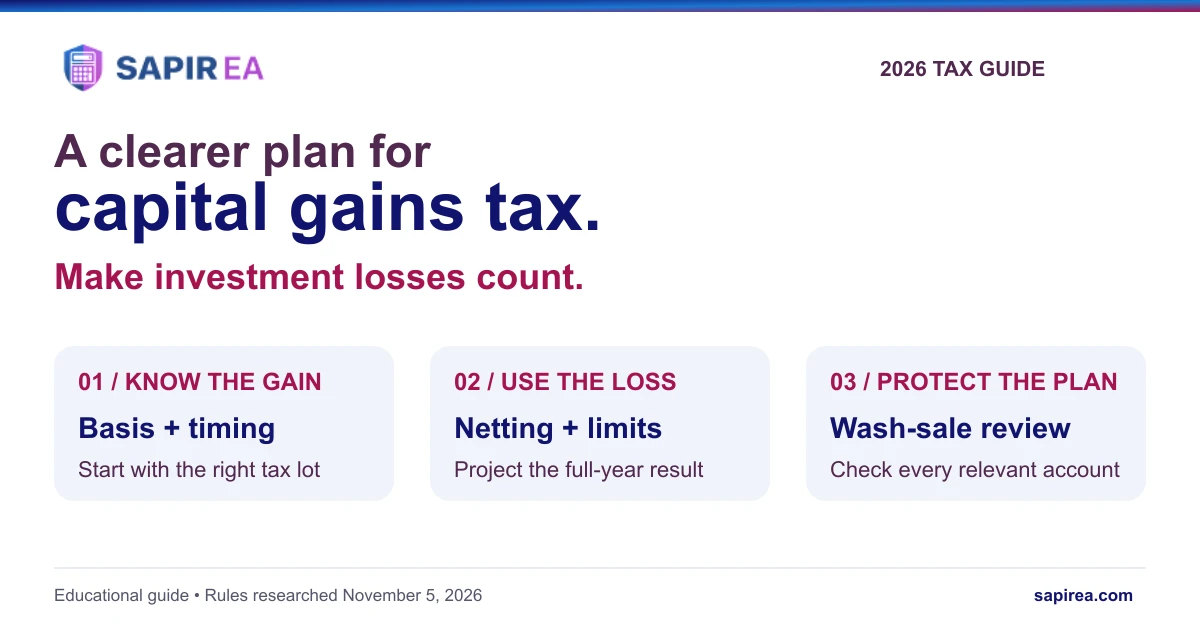
Capital gains tax applies to taxable profits when you sell investments. Tax-loss harvesting means realizing deductible investment losses to offset capital gains and, within limits, other income. Used carefully, it can reduce today’s tax bill or defer taxes. It cannot turn a poor investment into a profit, and a replacement purchase can invalidate the deduction.
Read More →
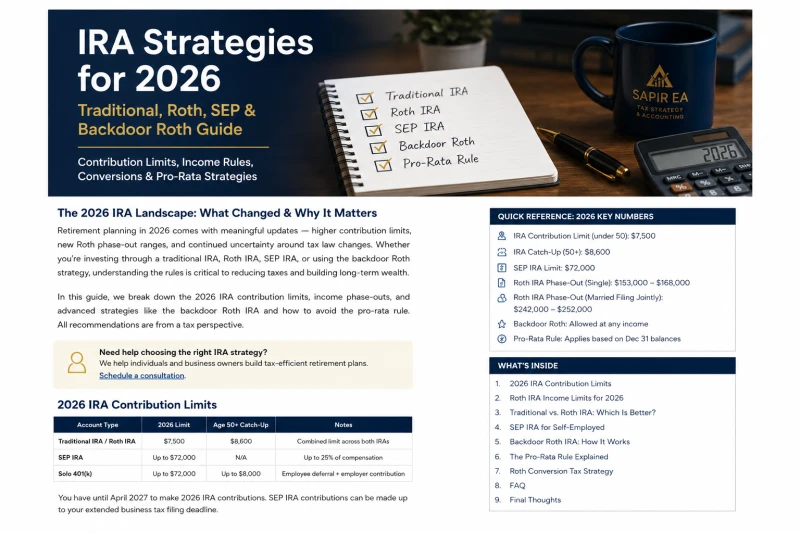
Compare 2026 Traditional, Roth, SEP and Backdoor Roth IRA strategies, contribution limits, income phase-outs and Roth conversion considerations.
Read More →
Learn why importers may qualify for tariff refunds, key CBP deadlines, IEEPA refund updates, duty drawback rules, and costly mistakes to avoid.
Read More →

Tips, Overtime, and a New Senior Deduction: Don’t Wait Until Filing Season to Get Ready
Read More →
Get your business books ready for year-end with this practical 2026 bookkeeping checklist. Review bank reconciliations, revenue, inventory, payroll, contractor records, owner transactions, and other key areas before tax season.
Read More →

Claiming a dependent can affect filing status, the Child Tax Credit, education credits, child-care benefits, the Earned Income Tax Credit, medical deductions, and paycheck withholding. Yet dependent has a precise tax meaning: paying someone’s expenses does not automatically qualify that person.
Read More →
An LLC, or limited liability company, is a business entity created under state law. It can help separate business obligations from an owner’s personal affairs, while offering several federal tax classifications. Forming an LLC does not automatically reduce taxes, create deductible expenses, or make its owner an employee.
Read More →

Understand the 2026 tax rules for short-term rentals, including passive loss limitations, material participation, depreciation, cost segregation, and bonus depreciation. Learn how rental property owners can evaluate tax-saving opportunities, avoid common mistakes, and plan with greater confidence.
Read More →
Prepare for Q3 with Sapir EA’s 2026 tax planning guide covering September deadlines, estimated tax payments, business bookkeeping, retirement planning, and key year-end strategies for individuals and businesses.
Read More →
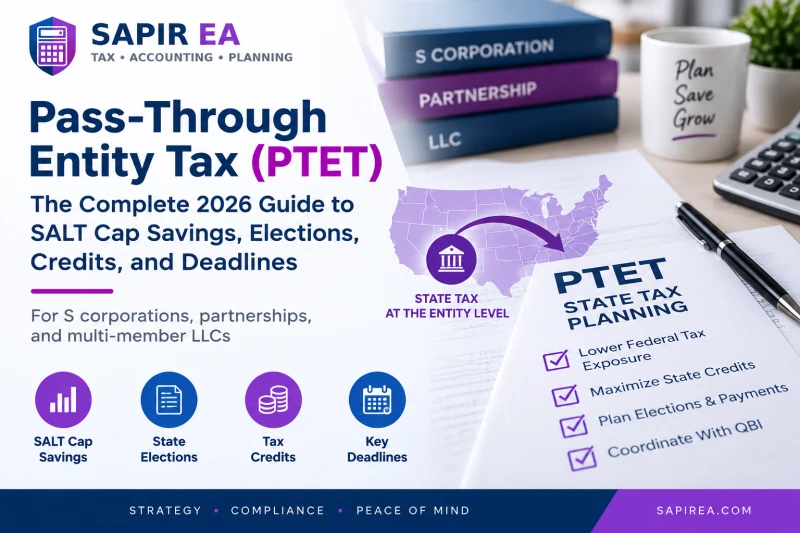
Learn how Pass-Through Entity Tax (PTET) can help S corporations, partnerships, and multi-member LLCs manage the SALT deduction cap. This 2026 guide explains PTET elections, potential tax savings, owner credits, payment timing, and important state deadlines.
Read More →
Understand common IRS notices, back-tax problems, payment plans, Offers in Compromise, penalty relief, unfiled returns, and IRS representation options. Learn how different tax resolution strategies work and what to consider before choosing a path.
Read More →
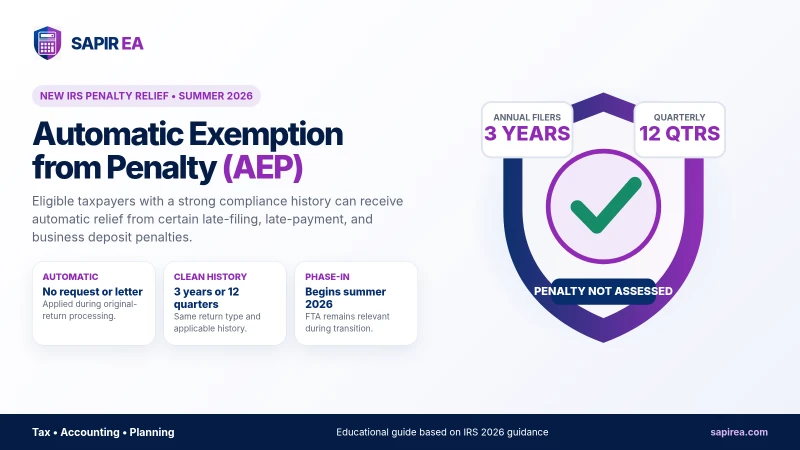
The IRS Automatic Exemption from Penalty beginning in summer 2026, eligibility rules, covered penalties and returns, the First Time Abate transition, exclusions, reasonable-cause alternatives, and notice-response steps.
Read More →

International Tax Reporting: Common Pitfalls, Penalties, and Ways to Correct Missed Filings
Read More →

Could a Second Company Lower Your Tax Bill? A Plain-English Look at Income Shifting to a Fiscal-Year C Corporation
Read More →

Understand how much tax comes out of your paycheck in 2026. Learn how federal income tax withholding, Social Security, Medicare, and state taxes affect take-home pay, plus how to complete Form W-4 correctly to avoid unexpected tax bills.
Read More →

The IRS raised the optional business mileage rate from 72.5 cents to 76 cents per mile effective July 1, 2026. This complete guide explains the split-year calculation, qualifying business trips, accountable-plan reimbursements, recordkeeping, standard mileage versus actual expenses, common mistakes, and downloadable mileage-log templates.
Read More →
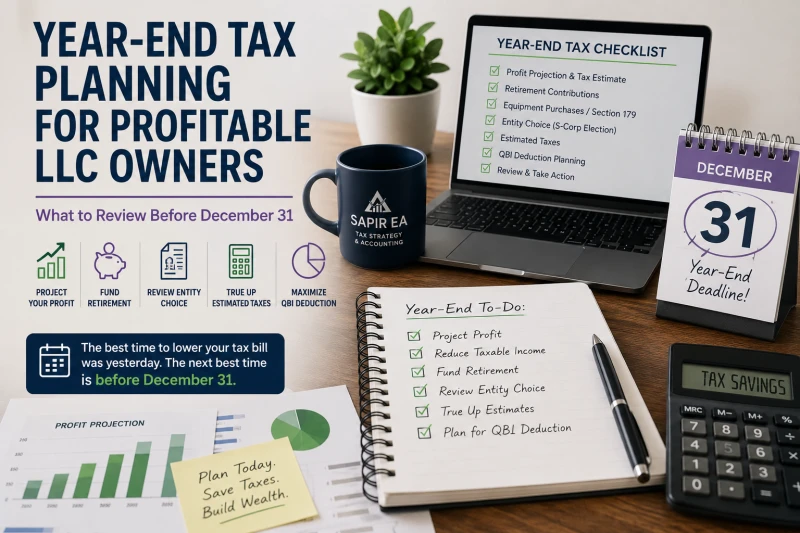
Learn the most effective year-end tax planning strategies for profitable LLC owners. Discover how profit projections, retirement contributions, estimated tax payments, S-Corp elections, and QBI planning can help reduce your tax bill before December 31.
Read More →
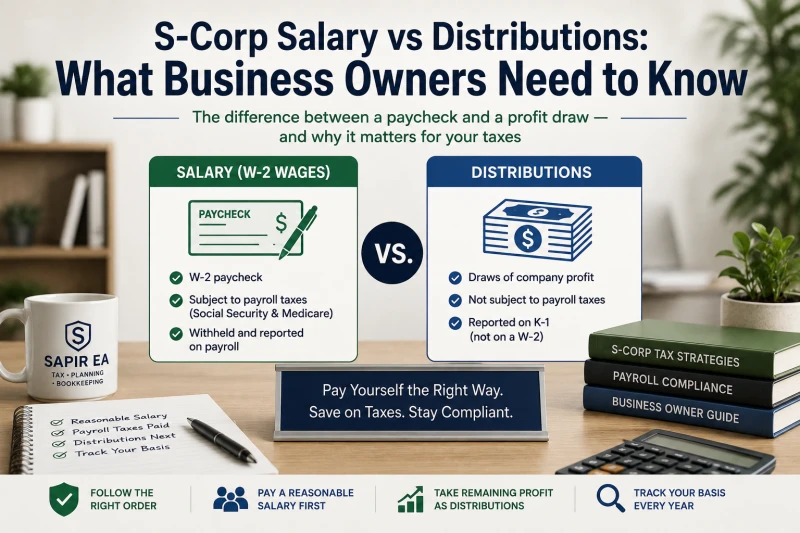
Learn the difference between S-Corp salary and distributions, why reasonable compensation matters, how payroll taxes apply, and how business owners can pay themselves properly while maximizing legitimate tax savings.
Read More →
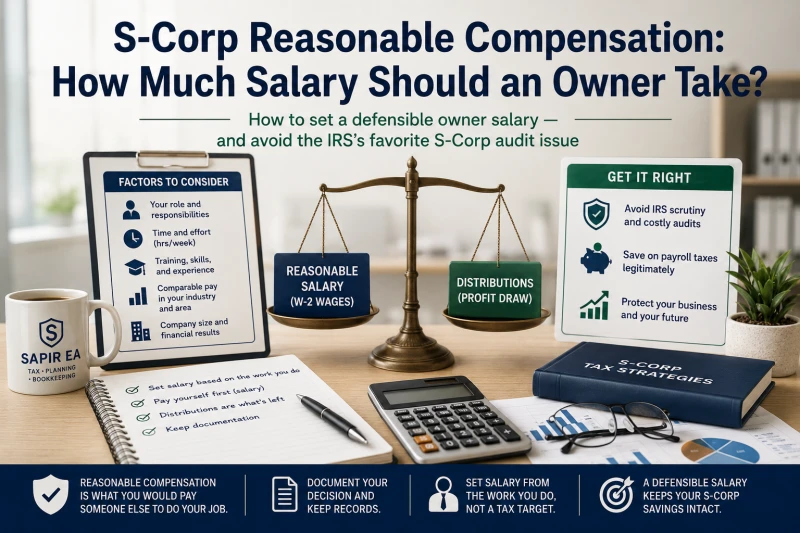
How much should an S-Corp owner pay themselves? Learn how reasonable compensation is determined, what the IRS considers, and how to balance salary and distributions while protecting your S-Corp tax savings.
Read More →

Received an IRS Notice? Learn the right steps to verify, understand, and respond to IRS letters before deadlines expire.
Read More →
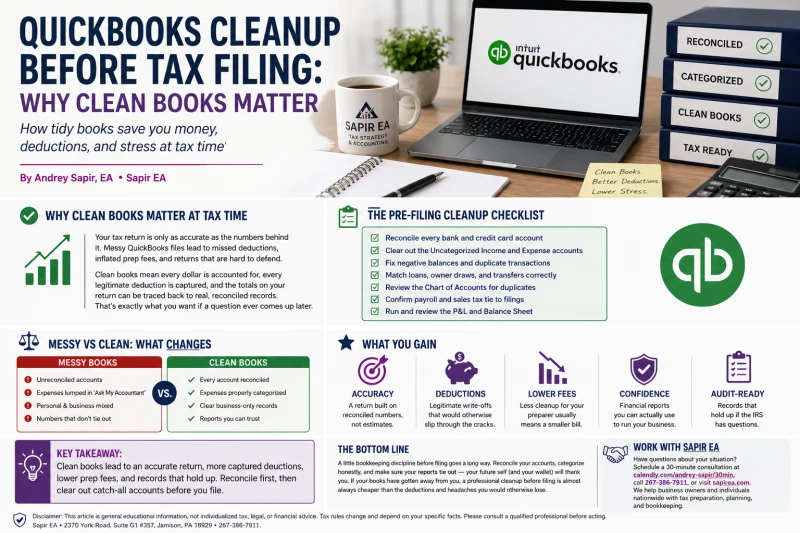
Get your QuickBooks ready for tax season with this practical cleanup checklist. Learn how reconciling accounts, correcting uncategorized transactions, and maintaining clean financial records can help maximize deductions, reduce tax preparation costs, and support an accurate, audit-ready tax return.
Read More →