
Tax Preparation for Logistics & Transportation Companies
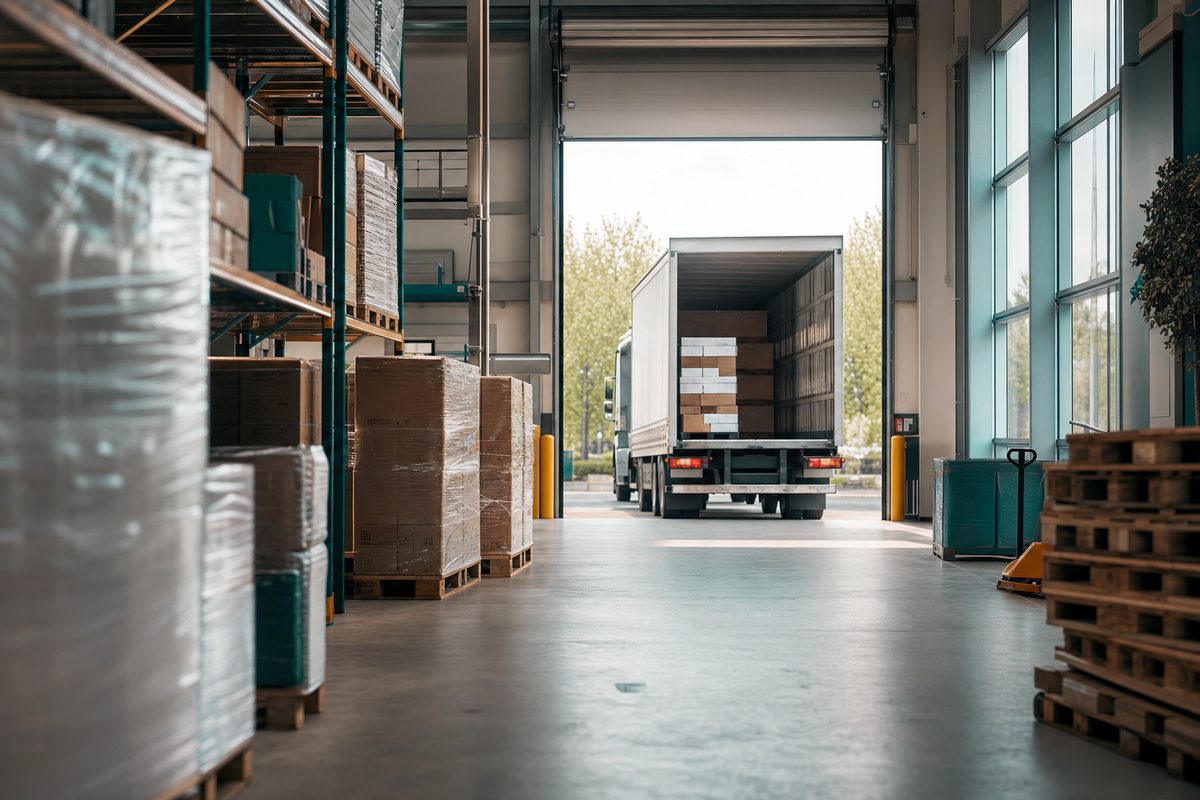
Logistics, trucking, and transportation businesses face tax and accounting challenges that many general tax preparers do not regularly encounter. Multi-state operations, fuel-tax requirements, expensive equipment, driver classification, and narrow operating margins can all affect your tax obligations and financial decisions.
SAPIR EA provides specialized tax preparation, virtual bookkeeping, and proactive tax planning for carriers, freight brokers, owner-operators, courier companies, warehousing businesses, and other transportation professionals. As a licensed Enrolled Agent, Andrey Sapir can also represent qualifying clients before the IRS.
Tax Preparation for Transportation Businesses
Tax preparation focuses on accurately reporting your company’s income, deductions, assets, and tax obligations for the applicable filing period. Transportation businesses often require additional attention because operations may involve multiple states, contractor payments, equipment purchases, fuel reporting, and industry-specific deductions.
- Owner-operator and fleet business tax returns
- Per diem meal deduction reporting and documentation guidance
- International Fuel Tax Agreement, or IFTA, reporting support
- Heavy Highway Vehicle Use Tax and Form 2290 filing
- Multi-state income and business tax considerations
- Equipment, vehicle, and truck depreciation
- Section 179 and bonus depreciation evaluation
- 1099 contractor and W-2 employee reporting considerations
- Quarterly estimated tax calculations
- IRS notice and tax resolution assistance
Virtual Bookkeeping for Logistics and Trucking Companies
Bookkeeping is the ongoing process of organizing and recording your company’s financial activity throughout the year. Accurate books make tax preparation easier, provide a clearer view of cash flow, and help you understand how your business is performing before tax deadlines arrive.
Our virtual bookkeeping services can help organize freight and settlement income, fuel expenses, repairs, tolls, insurance, payroll, contractor payments, equipment costs, and other transportation-related transactions. Because the service is delivered remotely, you can securely provide financial records and receive professional support regardless of where your business is located.
- QuickBooks setup and ongoing bookkeeping
- Income and expense categorization
- Bank and credit-card account reconciliation
- Owner-operator settlement and freight-income tracking
- Fuel, maintenance, toll, insurance, and equipment expense tracking
- Contractor payment and 1099 preparation support
- Financial reports that help you understand profitability and cash flow
Tax Planning for Logistics and Transportation Businesses
Tax planning is different from preparing an annual tax return. It involves reviewing your financial situation before the year ends so you can make informed decisions while planning opportunities may still be available.
For transportation businesses, tax planning may include evaluating when to purchase equipment, selecting appropriate depreciation methods, calculating estimated tax payments, reviewing driver classification, and determining whether an LLC or S corporation structure may be appropriate.
- Equipment-purchase and depreciation planning
- Quarterly estimated tax planning
- Cash-flow and tax-payment forecasting
- LLC and S corporation election considerations
- Owner compensation and payroll planning
- Year-end income and expense review
- Multi-state tax planning for businesses operating across state lines
How These Services Work Together
Tax preparation, bookkeeping, and tax planning serve different purposes, but they are most effective when they work together. Bookkeeping creates accurate financial records throughout the year. Tax planning uses those records to identify potential decisions and opportunities. Tax preparation then uses the completed financial information to prepare accurate returns and meet filing requirements.
This coordinated approach gives logistics and transportation business owners more visibility into their finances and reduces the risk of discovering preventable problems at tax time.
Who We Work With
SAPIR EA works with transportation businesses including:
- Independent owner-operators
- Small and mid-sized trucking fleets
- Freight brokers and freight-forwarding businesses
- Courier and last-mile delivery companies
- Moving and transportation companies
- Warehousing and distribution operations
- Logistics consultants and independent contractors
Professional Tax Support Wherever You Operate
SAPIR EA serves clients in Bucks County, Montgomery County, Philadelphia, and throughout the United States. Our virtual practice allows transportation business owners to securely submit documents, communicate remotely, and receive personalized financial guidance without being limited by location.
Whether you operate one truck locally or manage transportation activity across several states, you can receive professional assistance without repeatedly traveling to an accounting office.
Why Logistics Companies Choose SAPIR EA
Transportation taxation can involve federal filings, state requirements, contractor reporting, equipment depreciation, and records from multiple locations. Working with a professional who understands these issues can help reduce errors and make financial decisions easier to manage.
As an Enrolled Agent, Andrey Sapir is federally licensed to represent taxpayers before the IRS. Clients receive approachable, personalized guidance designed to make complex tax and accounting matters easier to understand.
Book a Consultation or call (267) 386-7911.